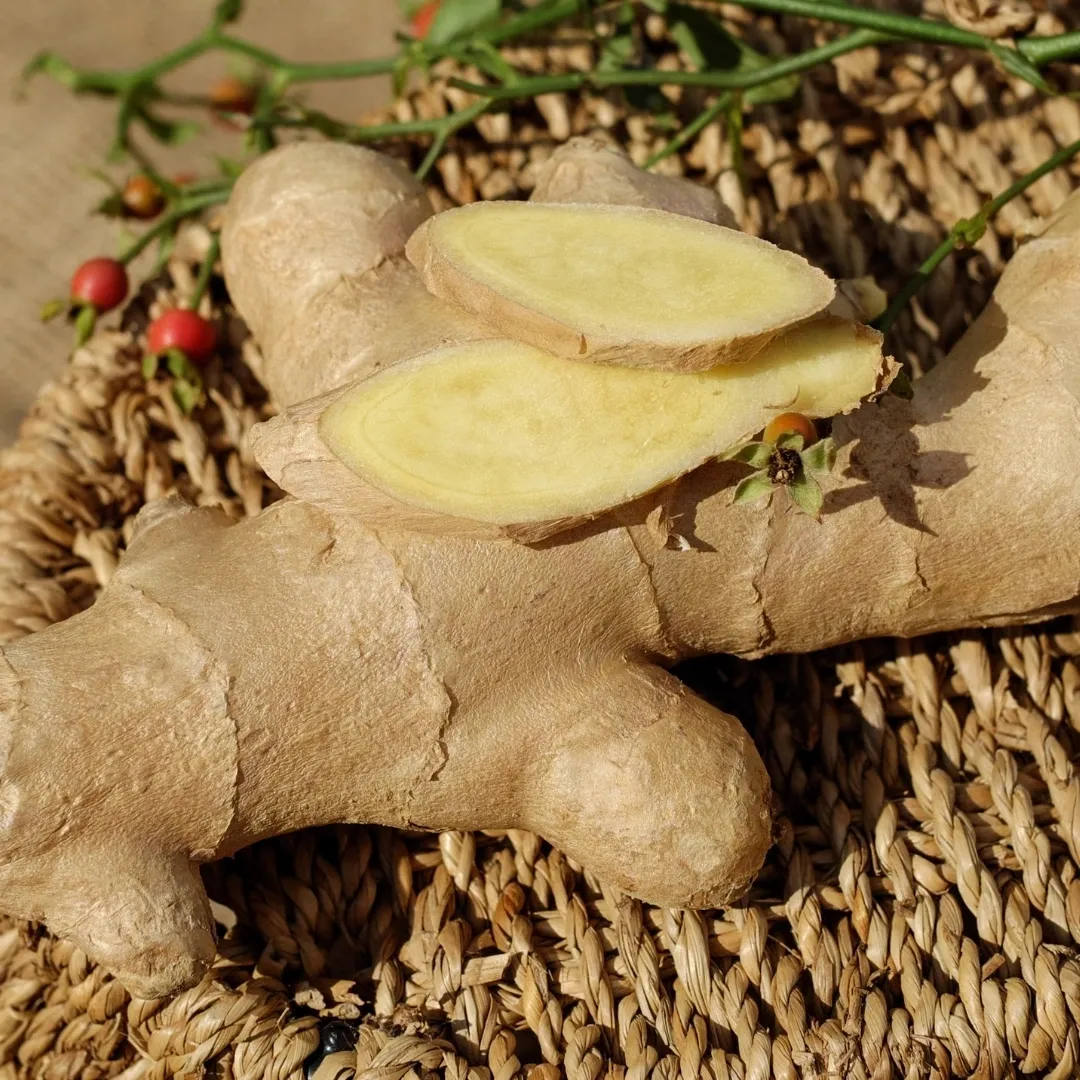
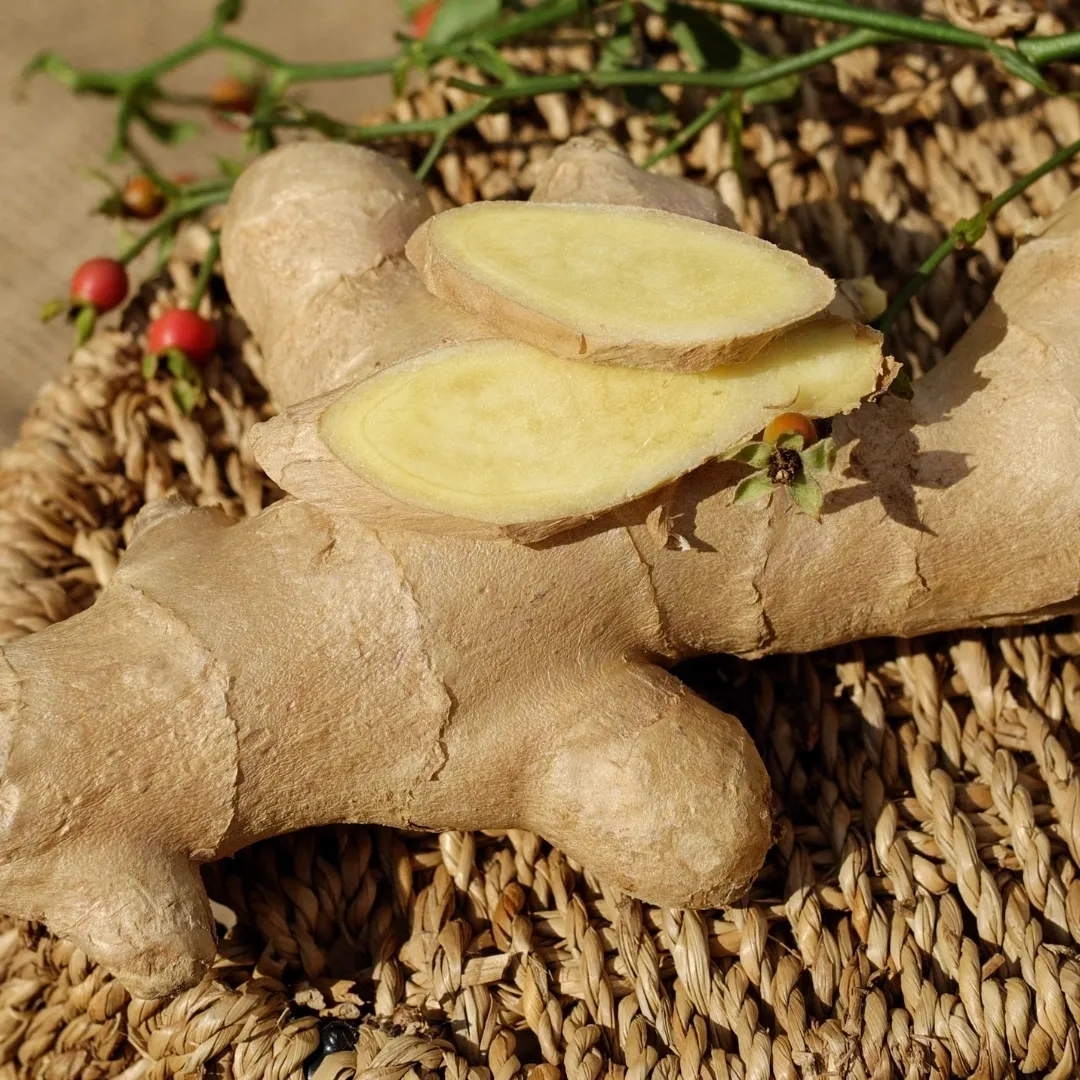
Did you know? You can easily grow ginger at home!
Growing ginger using companion planting and permaculture techniques can be a fulfilling and rewarding experience. Not only does it provide you with a fresh supply of ginger, but it also promotes a sustainable and thriving ecosystem in your garden.
To start, it’s important to choose a good spot for planting ginger. It prefers warm and humid conditions, so select an area with partial shade and well-draining soil. Ginger also prefers a slightly acidic soil pH between 5.5 and 6.5, so it’s important to check and amend the soil accordingly.
One great way to improve the health of your ginger plants is through companion planting. Ginger pairs well with other plants that can provide it with benefits such as shade, insect repellent, and nutrient exchange. For example, planting ginger alongside garlic or mint can help repel pests that can damage the plants.
Incorporating permaculture principles into your ginger garden can also help create a thriving ecosystem. For instance, using organic materials such as compost and mulch can provide nutrients to the soil, which in turn nourish the ginger plants. Additionally, incorporating a diversity of plants and incorporating natural systems such as water catchment and nutrient cycling can help create a self-sustaining ecosystem.
When it comes to harvesting ginger, it’s important to wait until the leaves start to yellow and wither. This is a sign that the ginger rhizomes are fully mature and ready to be harvested. After harvesting, it’s important to store the ginger properly to prevent spoilage. You can store ginger in a cool and dry place, or even freeze it for later use
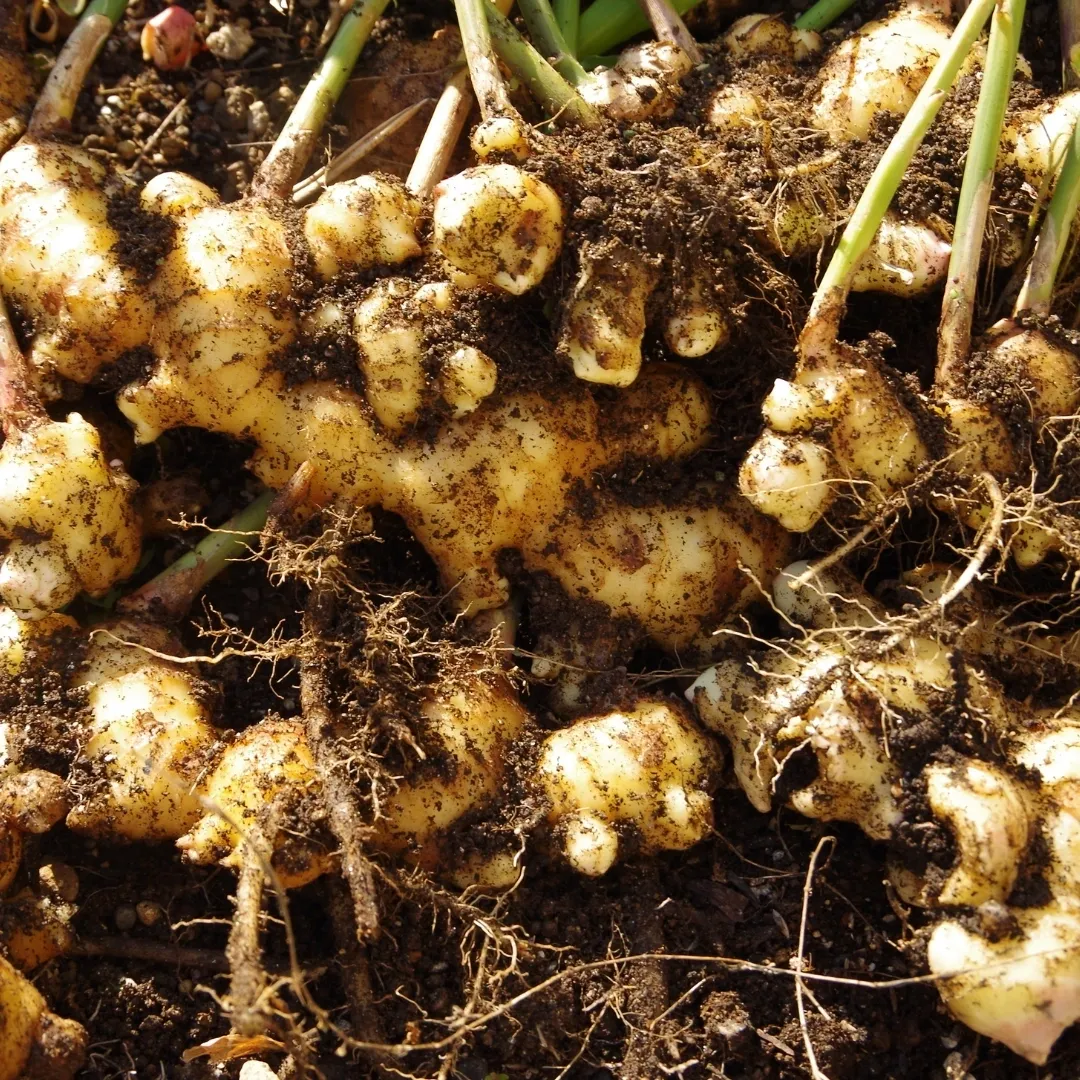
Growing ginger using companion planting and permaculture principles is a rootin’-tootin’ good time! Get ready to spice up your garden and your life with this fun and rewarding experience. And the best part? You’ll be doing your part to promote a healthy and sustainable ecosystem in your backyard. So let’s get growing and have some ginger-rific fun!