Design your farm
as a living system.
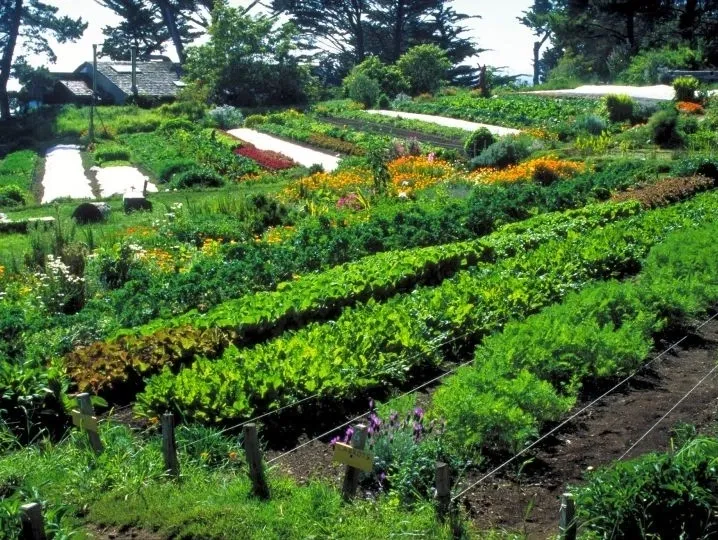
Not a crop rotation plan. Not an input schedule. A complete ecological design — built from your soil up, aligned to natural rhythms, and engineered to improve with every passing season.
Most farm interventions treat symptoms. Low yield — add fertiliser. Pest pressure — spray. Soil hardening — till deeper. Each solution creates the next problem.
A farm design starts differently. It asks: what does this land want to do? What is the water doing? Where does the sun fall? What is living in the soil — and what has been killed? Only after those questions are answered does a design begin.
This is a whole-farm ecological design. It covers seven interconnected frameworks simultaneously. The result is a farm that requires less every year — less input, less intervention, less cost — because the system itself is doing the work.
Seven frameworks.
One coherent system.
Each framework addresses a different dimension of your farm's health. None of them works in isolation. The design integrates all seven into a single coherent plan for your specific land.
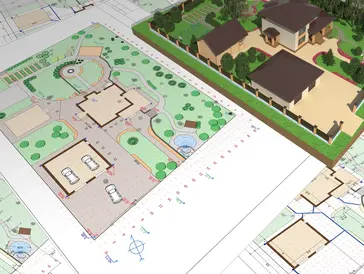
I start by designing your farm as a living ecosystem, not just crop land. Every element — water, trees, crops, animals, structures — is placed in relation to everything else.
- Land mapping — sun, slope, water flow, wind direction
- Zoning — where crops, trees, animals, water systems go
- Water harvesting — ponds, swales, recharge systems
- Crop diversity planning — multi-layer farming
I align your farm activities with natural rhythms for better growth and vitality. When you sow, prune, harvest, and apply inputs matters as much as what you apply.
- Sowing, pruning, harvesting calendars aligned to moon and cosmic cycles
- Activity scheduling for maximum plant energy
- Seasonal crop planning by natural rhythm
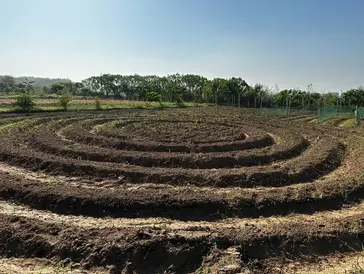
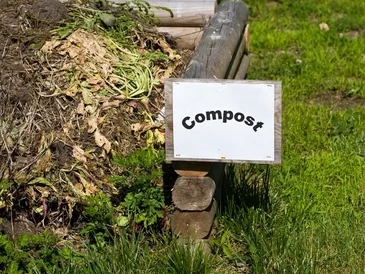
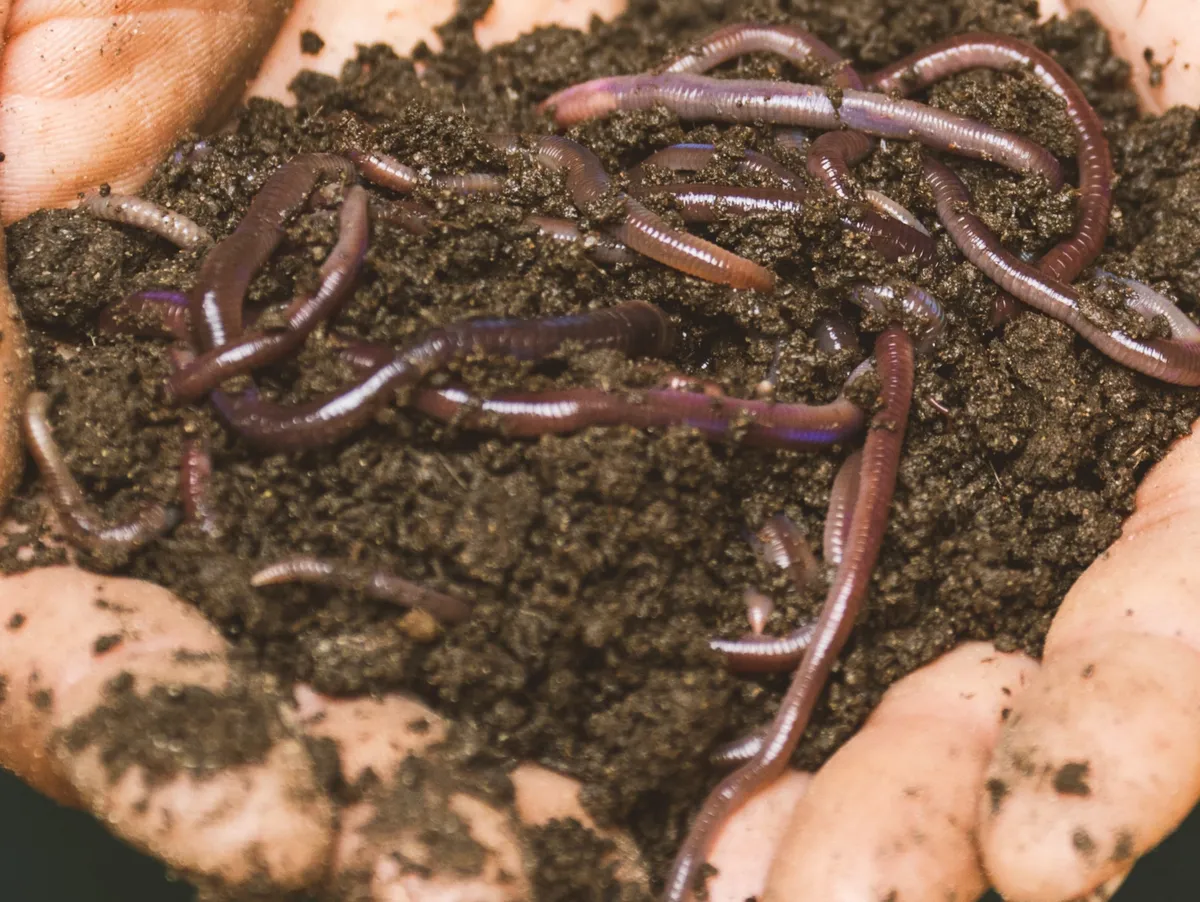
I rebuild your soil so plants feed themselves naturally. The soil food web — bacteria, fungi, protozoa, nematodes — is your farm's most underused asset.
- Soil food web testing — bacteria, fungi, protozoa, nematode counts
- Compost and compost tea system design
- Microbial inoculation plans
- Systematic reduction of chemical dependency
I ensure nutrients are balanced, not just added. Most deficiency problems are actually interaction problems — one nutrient blocking another.
- Soil and leaf tissue analysis
- Nutrient interaction planning — what blocks or enhances what
- Deficiency and toxicity correction protocols
- Customised fertigation plans by crop stage
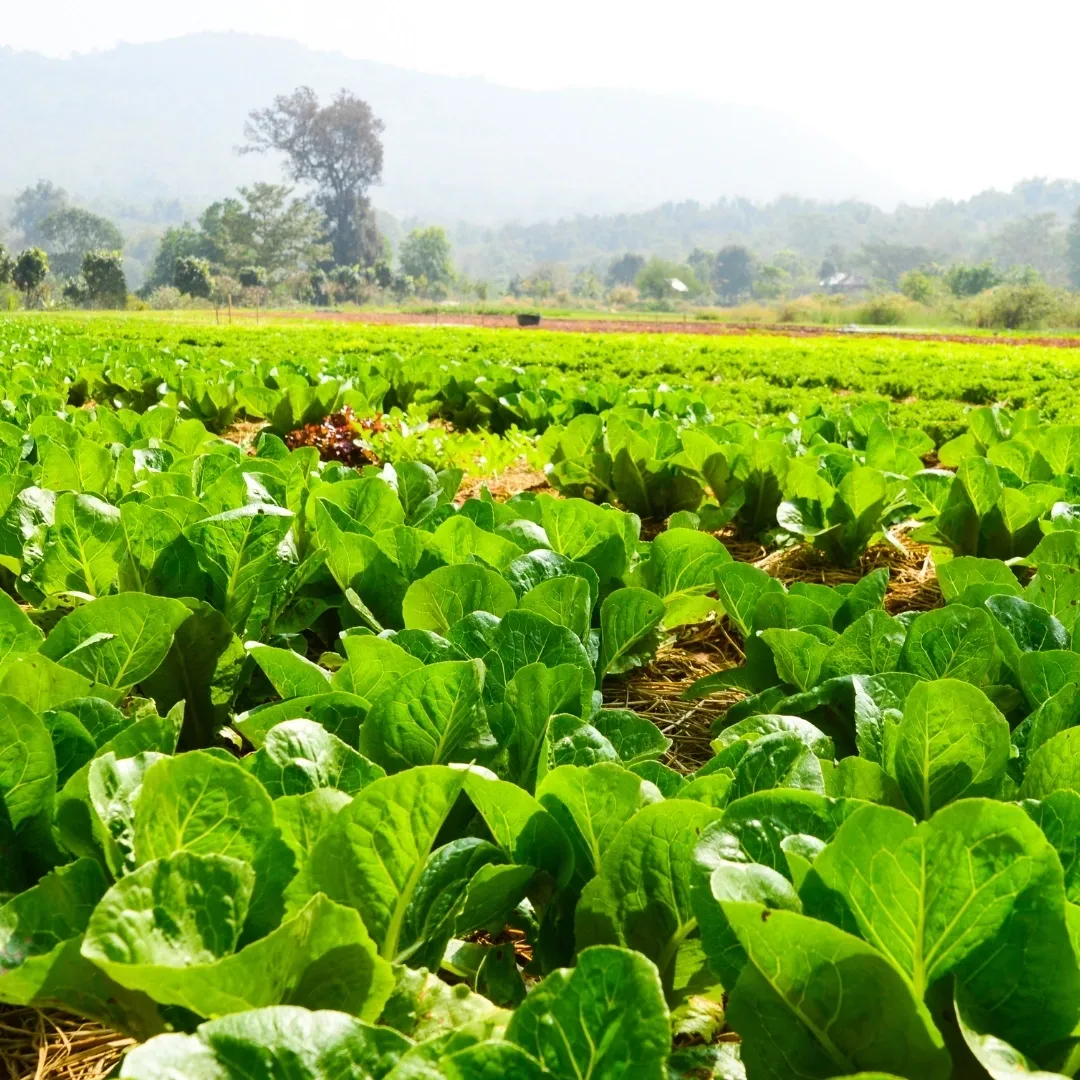
I design how and when nutrients and water are applied across the crop cycle. Efficiency over volume — the right thing at the right time.
- Drip fertigation schedules by growth stage
- Organic and mineral integration strategy
- Crop-stage nutrient plans
- Stress management protocols — heat, pests, disease
 -->
-->
I don't optimise yield alone — I optimise nutrition. Food that is grown right tastes different. It measures different. It commands a premium.
- Harvest timing calibrated for peak nutrient density
- Brix monitoring — sugar and nutrient level tracking
- Post-harvest handling practices that preserve quality
I stay with you throughout the crop cycle. A design is only as good as its adaptation — real farms face real conditions that no plan fully anticipates.
- Regular farm visits or remote monitoring sessions
- Plan adjustments based on actual crop conditions
- Troubleshooting — disease, deficiency, stress responses
- Farmer training throughout the engagement
 -->
-->
From first call
to living design.
30 minutes. No cost. Komal understands your farm, your goals, and whether this engagement is the right fit. You understand exactly what you're committing to.
Full three-level soil test — biology, chemistry, structure. This is the foundation of the entire design. No design begins without knowing what lives in your soil.
Komal visits your farm. Land mapping, sun and water flow observation, zone analysis. This is when the design becomes specific to your land — not a template applied to it.
The complete design document, seasonal implementation calendar, and year-one action plan — all delivered and walked through with you in a full presentation call.
Optional. Komal stays with you through the crop cycle — monitoring, adjusting, troubleshooting. Scope is flexible. You choose what you need.
Three documents.
One complete system.
A comprehensive written design covering all seven frameworks applied specifically to your land. Land maps, zone diagrams, species lists, water system plans, soil restoration protocols, fertigation schedules, and harvest timing guides. Everything documented and explained.
Details →
A month-by-month calendar for your first full crop year. What to sow, prune, harvest, apply, and monitor in each month — aligned to your specific crops, your climate zone, and biodynamic timing. No guesswork about what to do next.
A prioritised list of what to implement first, what to implement next, and what to build toward. Phased by impact and feasibility — so you start with the changes that make the biggest difference fastest, and build from there.
Details →
Priced for the
work it takes.
Farm design at this depth is not a standard consultancy service. It involves soil diagnostics, a site visit, seven-framework analysis, and a complete design built specifically for your land. Pricing is shared after a short conversation — because it depends on your farm size, location, and scope.
Fill the form. Our team reviews within 48 hours. If it's a good fit, we schedule a call. Komal enters when both sides have confirmed the engagement makes sense.
Our team reviews every enquiry within 48 hours. If your farm is a good fit, we'll schedule a discovery call. Komal joins once we've confirmed the engagement is the right match for both sides.
Also fill the soil health intake form →What people
ask first.
You receive three things: a comprehensive farm design document covering all seven frameworks applied to your specific land; a seasonal implementation calendar telling you what to do month by month in year one; and an action plan prioritised by impact so you know where to start. These are not generic templates — they are built from your soil test, your site visit, and your specific goals.
A conventional agronomist typically works within one framework — usually chemistry and inputs. This engagement works across seven interconnected frameworks simultaneously: ecology, timing, soil biology, nutrient intelligence, irrigation, harvest quality, and ongoing monitoring. The difference in outcome is not incremental — it's systemic.
Yes — this is exactly the situation most clients come from. The design accounts for where you are now and maps a transition pathway. Chemical dependency is rarely a choice; it is usually the result of degraded soil biology that makes natural alternatives feel unreliable. We restore the biology first so the transition is stable, not risky.
It depends on farm complexity, your location, and the scope of the engagement. A straightforward farm design for a 4-acre plot typically takes 6–10 weeks from first call to design delivery. Larger or more complex farms take longer. We give you a realistic timeline after the initial site visit.
The site visit is always required and always included as part of the engagement. Travel costs — transport, accommodation, and meals — are charged at actuals and quoted in advance before confirmation. There are no surprise costs.
That depends on what you want. Some clients implement independently and check in seasonally. Others engage Komal for ongoing monitoring and advisory through the crop cycle. The scope after design delivery is entirely flexible — there is no obligation to continue beyond what you need.
Yes. Orchards benefit particularly from frameworks 1 (ecological zoning), 3 (soil biology), 4 (nutrient intelligence), and 6 (harvest quality and Brix monitoring). Perennial systems have different dynamics than annual crops — the design approach reflects that.
Fill the enquiry form on this page. Our team reviews every submission within 48 hours. If your farm is a good fit — right size, right intent, ready to commit — we will call you to discuss scope, timeline, and pricing. Komal joins the conversation once both sides have confirmed this is the right engagement. The first call with Komal is at no cost.