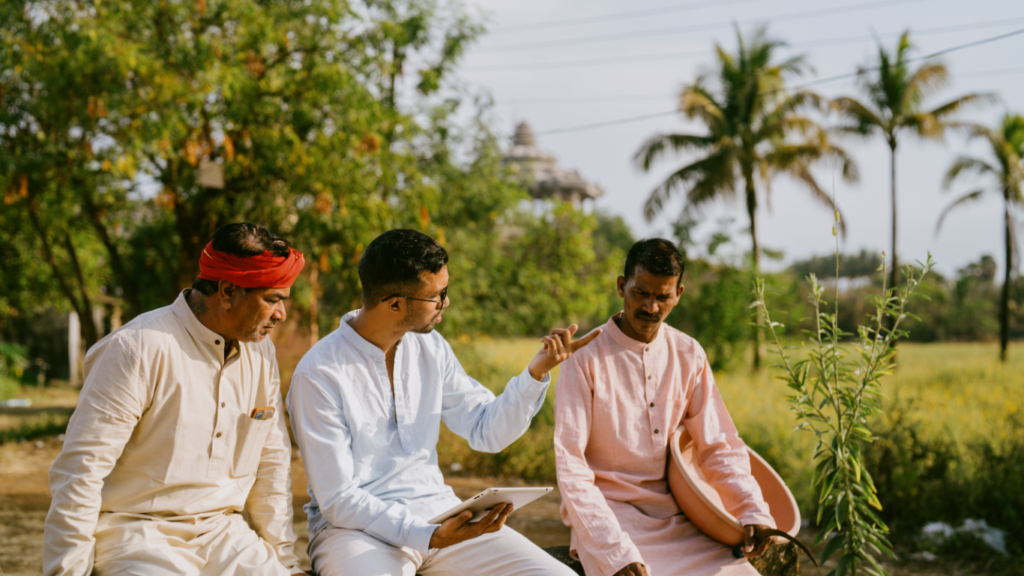
Last winter, I met a young couple in Himachal Pradesh who had just bought land near their ancestral village. “We want to become farmers,” they said, “but we have no clue where to begin. Everything feels too big, too technical, and too expensive.”
This is the exact feeling many first-time growers experience — excitement mixed with complete uncertainty.
So, if you’re standing at the edge of this path, here’s what I’ve learned from guiding hundreds of first-time farmers: Start small. Start with soil. Start with observation.
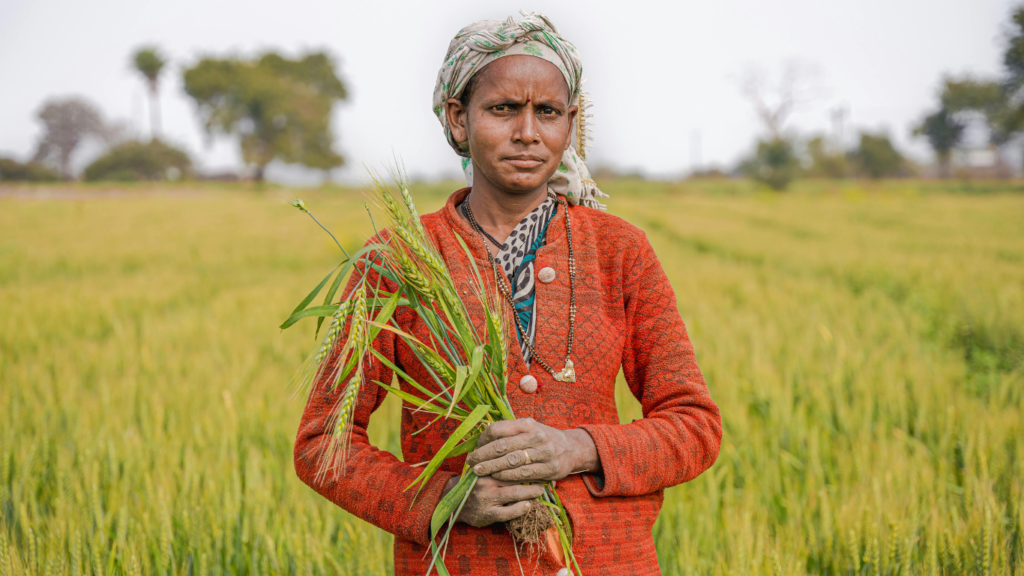
Step 1: Observe Before You Act
Spend a few weeks doing nothing but watching your land (or your garden space).
– Where does water collect?
– What weeds or grasses are naturally growing?
– Are there ants, earthworms, fungi, or birds?
– How much sun does each area get?
– Is the soil clayey, sandy, or hard like brick?
This is your real starting point — not a tractor or a seed catalogue.
Step 2: Focus on Building Soil
Good farming is 70% about managing what’s below the ground. Start by:
– Adding compost or decomposed cow dung
– Using jeevamrut or microbial culture to activate soil life
– Not tilling too much — protect the structure
– Covering the soil with mulch or cover crops
Healthy soil will do half your work, naturally.
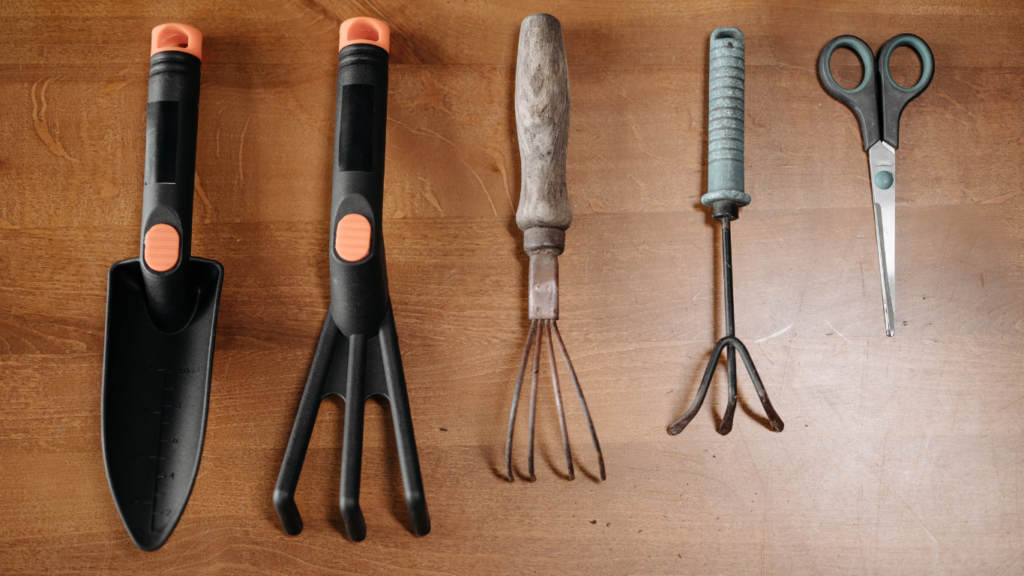
Step 3: Grow Only One or Two Crops
Don’t try to grow everything. Choose one or two crops based on your region and season. For example:
– North India winter: Mustard greens, spinach, garlic
– South India summer: Okra, cluster beans, green gram
– Himachal hills: Red amaranth, peas, coriander
Start small — even a 10ft x 10ft patch is enough to learn.
Step 4: Keep It Manual, Not Mechanised
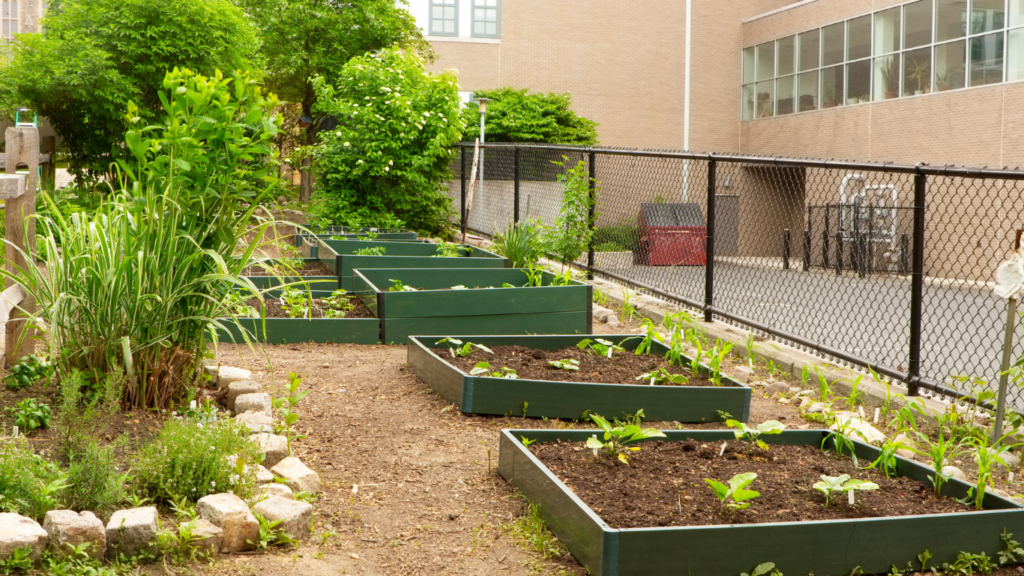
You don’t need machines, sprays, or expensive tools at this stage. A basic khurpi, a compost pile, and a watering can are enough.
Avoid:
– Chemical fertilizers
– Pesticides
– Outsourcing too early
You are learning by doing, and that requires your presence more than tools.
Step 5: Build a Support System
Talk to:
– Local farmers (especially older ones)
– Gardening communities (online or local)
– Experts who work in soil health or natural farming
If you’re unsure who to talk to, reach out to someone like us — we’ve worked with first-time farmers across Punjab, Himachal, Maharashtra, and Karnataka.
Final Thought
Farming isn’t something you become ready for — it’s something that makes you ready.
Don’t wait to have all the answers. You learn the land by working with it, not by overthinking.
Start with 1 square meter. Start with one compost pile. Start with one plant.
That’s all it takes to begin.