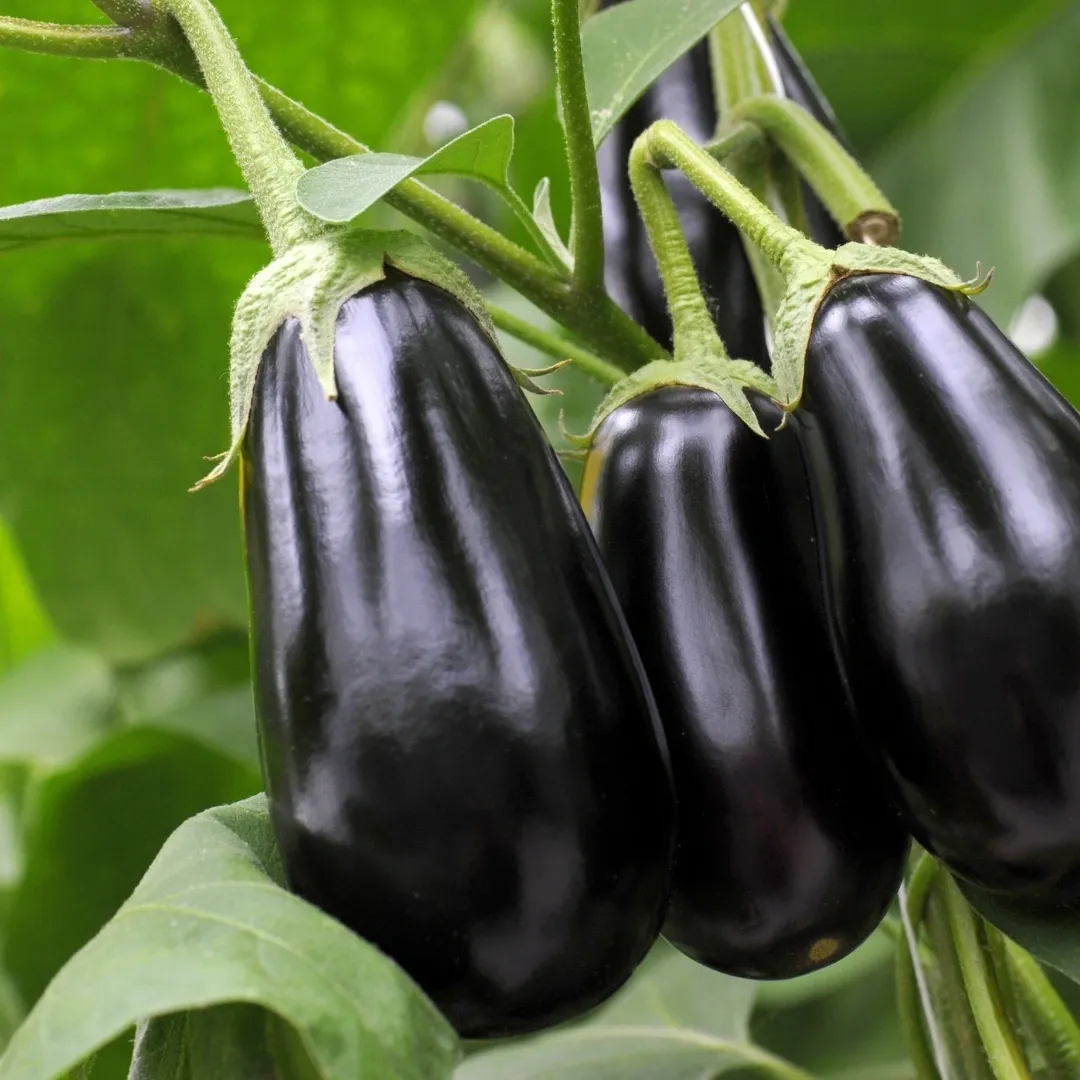

Brinjal, also known as eggplant or aubergine, is a popular vegetable in many parts of the world. It is a nutritious and delicious addition to any meal, and can be grown using companion planting and permaculture principles without the use of harmful pesticides.
Companion planting is the practice of growing different plants together to benefit each other. When certain plants are grown together, they can help control pests, improve soil health, and increase crop yields. Permaculture is a design system that focuses on creating sustainable and self-sufficient ecosystems.
To grow brinjal using companion planting and pe

rmaculture principles, follow these steps:
Choose the Right Location: Brinjal plants thrive in warm, sunny locations with well-draining soil.
Choose a spot in your garden that gets at least six hours of direct sunlight per day and has good drainage.
Prepare the Soil: Brinjal plants prefer slightly acidic soil with a pH between 5.5 and 6.5. Amend your soil with compost, aged manure, or other organic matter to improve soil fertility and structure.
Plant Companion Plants: Planting companion plants alongside brinjal can help deter pests and attract beneficial insects. Good companion plants for brinjal include marigolds, basil, and beans.
Mulch: Apply a layer of organic mulch around your brinjal plants to help retain moisture, suppress weeds, and improve soil health. Good options for mulch include straw, leaves, or grass clippings.
Water: Brinjal plants need regular watering to thrive. Water deeply once or twice a week, depending on weather conditions and soil moisture.
Harvest: Brinjal plants typically produce fruit 60-90 days after planting. Harvest your brinjal when the fruit is firm, shiny, and has a deep color, and have a wonderful lunch thats not only good for your pallet but also the planet.