By Komal Jaiswal
There’s a rhythm in every living thing — the quiet beat of a leaf rising to light, the deep breath of soil after rain, the stillness that holds so much life underneath.
Potassium is part of that rhythm.
It’s not loud.
It doesn’t chase attention like nitrogen, or build like phosphorus.
But without it, the whole system falls out of tune.
Potassium doesn’t build the body. It carries the message.
It steadies the flow.
It’s the plant’s inner compass.
💧 Potassium Knows When to Hold On, and When to Let Go
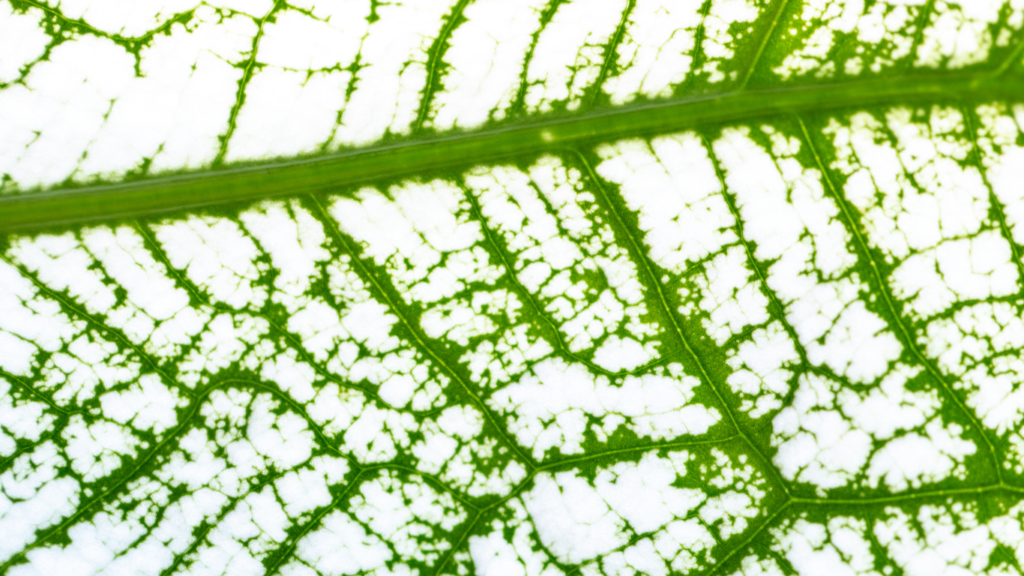
Leaves breathe through tiny mouths — stomata.
They open, they close. They drink in air, release moisture.
And every movement is guided by potassium.
When it’s hot, it helps the plant conserve.
When it’s time to release, it opens the gate.
It never rushes. It just knows.
A plant rich in potassium doesn’t panic under pressure.
It flows, it adjusts, it endures.
🌊 It Moves Water, Not Just Moisture — But Intelligence
Potassium is what moves water where it matters.
To the growing tips. To the new buds. To the deep roots.
Not everywhere, not all at once — but with wisdom.
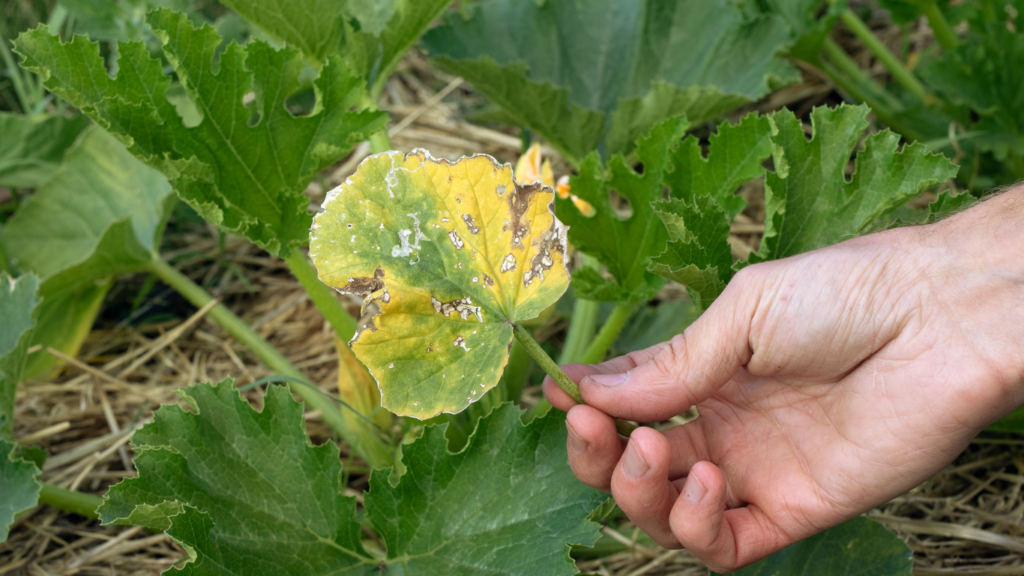
Sometimes we water and water, and yet the plant wilts.
The soil is wet, but the plant is dry.
Because without potassium, the water isn’t moving right.
The roots can’t drink. The message is lost.
And so, it’s not just water that matters. It’s how it moves.
Potassium is the movement behind the moisture.
🍅 The Taste of Fruit, the Strength to Hold It
Some things can’t be measured in yield.
A ripe tomato with a firm skin.
The sweetness of a guava that lingers on your tongue.
The shelf life of a leaf that stays fresh after plucking.
That’s potassium.
It gives strength without hardness.
Flavor without force.
Structure without stiffness.
It makes a plant sure of itself — from root to fruit.
🌾 Why It’s Missing, Even When It’s There
Potassium is often present, but unavailable.
It gets washed away with overwatering.
It hides in soils that have lost their structure.
It vanishes in fields tired of repetition, tired of chemicals.
It doesn’t respond to force.
It returns where there is softness.
Where there is compost, cover, patience.
Where the earth isn’t disturbed too much.
Where life is allowed to settle.
🍂 Where to Find It — The Earth Already Knows
You won’t need a packet.
Nature stores potassium in places we often throw away:
- Banana peels, slow-dried and crushed
- Wood ash — just a pinch, not a pile
- Well-ripened compost, made with care
- Cow dung, leaf litter, anything that rots gently over time
Everything you need is already around you.
You just need to give it time to return.
🔁 It Works When Soil Is Alive
Potassium moves best in soil that breathes.
That means:
- Beds covered in straw or dry leaves
- Moisture held gently, not soaked or cracked
- Compost that’s still warm to the touch
- Microbes, worms, old roots that haven’t been pulled too fast
It doesn’t travel far on its own. It needs help.
And that help is always ready — if we let the soil stay whole.
🧡 Final Words: The Kind of Strength That Doesn’t Need to Prove Itself
Some things in the garden shout.
Potassium doesn’t.
It just keeps things going.
It keeps the system from falling apart.
In silence, it carries messages.
In stress, it offers steadiness.
It makes sure the plant remembers itself when things get hard.
That, to me, is true strength.
Not loud. Not quick. But present. Constant. Quietly holding everything together.
And maybe that’s something we need to learn too.