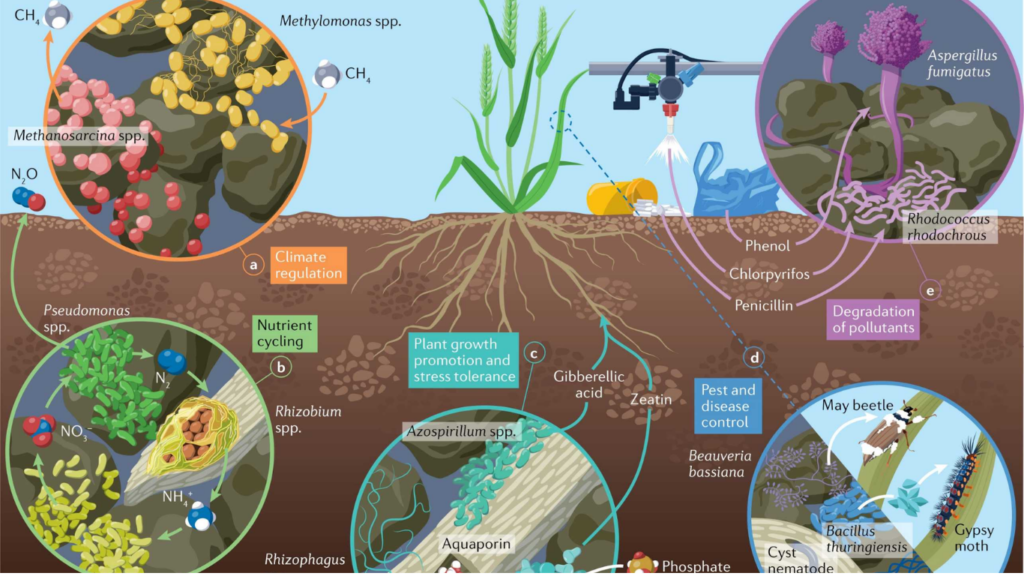
Under every healthy plant lies a powerful, invisible community — the soil microbial web. This network includes bacteria, fungi, protozoa, nematodes, and more, all interacting to support plant health and soil fertility.
But just like any ecosystem, this web can either be thriving or broken. And when it breaks, no amount of fertilizer or irrigation can bring back the productivity we expect.
What Is the Soil Microbial Web?
The soil microbial web is the living foundation of soil. These microscopic organisms:
– Decompose organic matter
– Cycle nutrients like nitrogen and phosphorus
– Protect plants from disease
– Improve soil structure
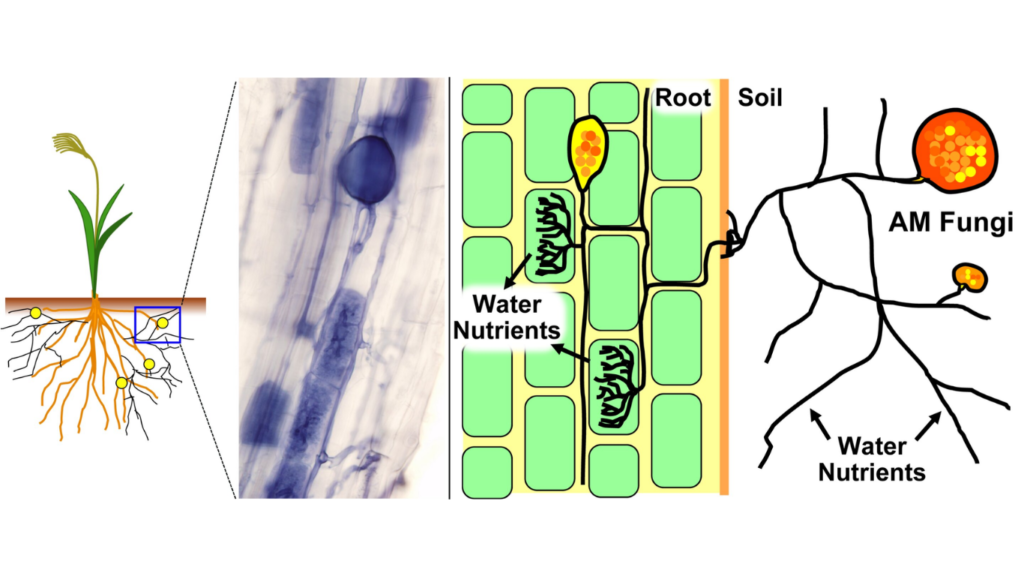
– Form symbiotic relationships with roots
Healthy soil has a balanced, diverse population of microbes that constantly work to feed plants and build soil resilience.
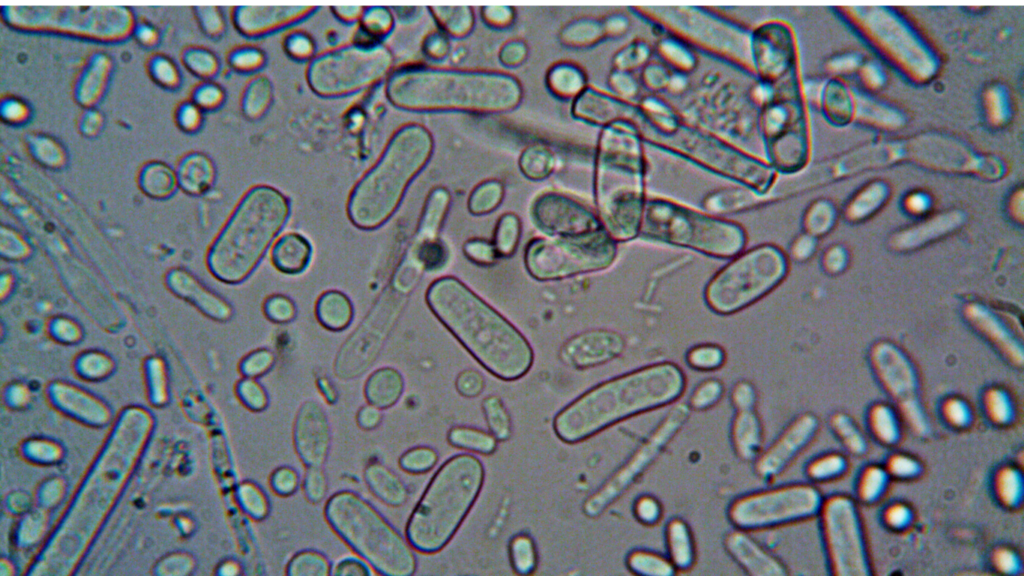
Signs of a Balanced Microbial Web
– Crumbly soil texture with visible fungal strands
– Earthworms and insect activity
– Quick decomposition of organic matter
– Plants resist pests and don’t need frequent sprays
– Good water infiltration and root growth
– High microbial biomass in soil tests
When the Microbial Web Is Broken
– Hard, compacted soil
– Organic matter stays undecomposed
– Pests and diseases are frequent
– Crops need regular fertilizer support
– Soil smells sour, metallic, or has no smell at all
– Low fungal:bacterial ratio or active biomass in tests
Often caused by: chemical overuse, excessive tilling, bare soil exposure, and lack of organic inputs.
Restoring the Microbial Web
– Add compost or vermicompost — not just NPK
– Use microbial inoculants like jeevamrut, compost tea, or consortium sprays
– Reduce tillage and leave roots in place after harvest
– Keep soil covered with mulch or living cover crops
– Minimize chemical use and boost biological activity
– Maintain proper moisture — neither flooded nor bone dry
Komal’s Advice
When your soil feels like it’s no longer listening, it’s usually because the microbial web has broken down.
You don’t need to fix everything at once — start with one practice: compost, mulching, or adding microbes. Observe how your soil responds over 30–60 days.
Healthy soil is not built by inputs — it’s built by relationships. And the soil microbial web is where all those relationships begin.